ấp An Bằng, phường Long Hồ, quận Phú Xuân, Thành phố Huế
510 views 💖 3 👍 0
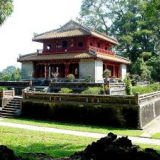
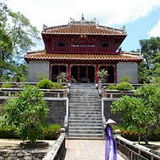
The tomb of the Emperor Minh Mang is located in an enclosed hilly area of Cam Khe village, 12 km from the centre of Hue. The construction of the tomb of Minh Mang started in 1840 and was completed in 1843.
The Mausoleum of Emperor Gia Long is located 16km from the centre of Hue, on top of the Thien Tho mountain, on the west bank of the Huong river. Construction of the tomb began in 1814 and was completed in 1820.
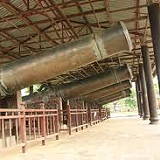
Nine Holy Cannons (Cửu vị Thần công) is the name of the nine cannons of the Nguyen Dynasty that were cast by Hue artisans in the second Gia Long year - 1803. These nine cannons are considered the largest in Vietnam, and are among the most valuable bronze works of art.
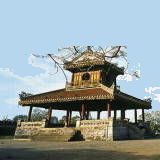
Phu Văn Lâu is a historic building located in the city of Hue in Thua Thien Hue province, Vietnam. It was built during the Nguyen Dynasty, which ruled Vietnam from 1802 to 1945. The building was constructed in 1817 and served as a pavilion where the emperor would deliver speeches and proclamations to his subjects.
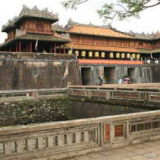
Hue Historic Citadel (Kinh thành Huế), located in Hue City, Vietnam, was the capital of the Nguyen Dynasty from 1802 to 1945. The Imperial City was built in the early 19th century during the reign of Emperor Gia Long and was designed to reflect the unique cultural and architectural traditions of Vietnam.
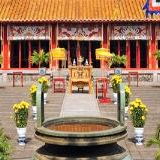
Thái Tổ miếu is a historical site dedicated to the worship of the first kings of the Nguyen dynasty. The construction of Thai To Mieu began in 1806 during the reign of Emperor Gia Long and was completed in 1833 during the reign of Emperor Minh Mang. The temple complex covers an area of over 7,000 square meters and features a range of traditional Vietnamese architectural styles.
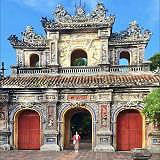
Hien Nhon Gate (Cửa Hiển Nhơn) is one of four gates located in the East of the Hue Imperial Citadel to enter and leave the Citadel. Hien Nhon Gate was built in 1805 under the reign of King Gia Long.
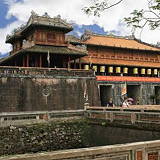
The Citadel Gate (Cổng Ngọ Môn) in Hue, Vietnam, is the main entrance to the Imperial City, a UNESCO World Heritage site and the former capital of Vietnam during the Nguyen Dynasty. The Citadel Gate is one of the most iconic structures within the Imperial City and serves as the entrance to the Forbidden Purple City, which was reserved exclusively for the emperor, his family, and his royal concubines.